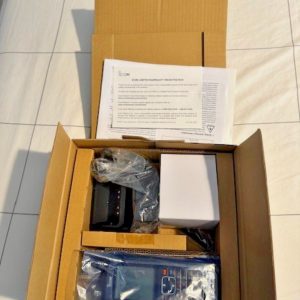
:::writingvariant="document" id="58314" ICOM IC-A25N Handheld NAV/COM Transceiver w/ Bluetooth – Open Box: Portable Aviation Radio The ICOM IC-A25N Handheld NAV/COM Transceiver w/ Bluetooth – Open Box is designed for aviation users seeking a capable portable radio that can support communication and navigation-related operations. An open-box unit can provide excellent commercial value when the radio, battery, antenna, charger, documentation, and included accessories remain complete and in suitable condition. The ICOM IC-A25N Handheld NAV is suitable for users who want portable access to communication and navigation-related functions during flight preparation, cockpit operations, instruction, emergency planning, or airport ground activities. As an ICOM IC-A25N Aviation Radio, the transceiver may be used during normal flight operations, communication training, airport monitoring, ground coordination, and emergency preparation. The ICOM IC-A25N Handheld Radio can serve private owners, instructors, students, aircraft dealers, mechanics, and airport staff who need communication away from a fixed cockpit installation. The Handheld NAV/COM Aviation Transceiver format offers useful flexibility to pilots who want one compact tool for several operational requirements. Whether the requirement is a Handheld Aviation Radio, Aviation NAV/COM Radio, Pilot Handheld Radio, or Aircraft Communication Radio, buyers should review package condition, included accessories, battery health, and operational compatibility before purchase. The handheld format makes the unit relevant to buyers comparing Emergency Aviation Radio, Backup Aircraft Radio, ICOM Pilot Radio, and portable navigation communication equipment.
Exploring the ICOM IC-A25N NAV/COM Platform
A multifunction handheld radio can provide useful redundancy and flexibility for pilots who regularly operate in different aircraft or environments. The device may help pilots reduce equipment clutter by integrating several useful capabilities into one flight-bag-friendly radio. Portable equipment should be treated as part of a complete communication plan rather than a guaranteed replacement for every installed avionics function. Familiarity transforms a portable radio from stored equipment into a practical and dependable operational resource.Choosing the ICOM IC-A25N Handheld NAV
The navigation-oriented functions can complement normal cockpit planning when used within their intended read more purpose and understood limitations. Private pilots may carry the device during cross-country flights, aircraft repositioning, fly-ins, or travel in rented airplanes. Users should understand which functions are intended for reference, communication, navigation support, training, or emergency use. The radio should be stored securely so it does not interfere with controls, visibility, passengers, or emergency egress.Benefits of an ICOM IC-A25N Aviation Radio
The radio may be useful to pilots operating aircraft with limited avionics, temporary communication problems, or different cockpit configurations. Aircraft sales organizations may keep handheld radios available during demonstrations, repositioning, delivery preparation, and customer familiarization. Current photographs should show the radio body, display, controls, connectors, antenna, battery, charger, packaging, and included components. Remote buyers may request a video showing startup, menu operation, button response, audio output, charging status, and physical condition.Portable Benefits of the ICOM IC-A25N Handheld Radio
Portable operation can be valuable to users who fly several airplane types or who do not control the installed equipment available in every cockpit. Pilots should protect the radio with a suitable case or organized storage compartment to reduce the risk of impact, moisture, connector damage, or accidental control activation. Preflight preparation may include charging, accessory inspection, Bluetooth pairing, memory review, antenna attachment, and volume adjustment. Aircraft cabins and parked vehicles can reach temperatures that may affect batteries, displays, housings, and electronic components.Choosing a Handheld NAV/COM Aviation Transceiver
The integrated format can reduce the need to carry separate handheld receivers for several common aviation tasks. Buyers should compare interface design, battery options, charging arrangements, antenna quality, accessory availability, display readability, audio performance, and operational needs. A handheld transceiver becomes more dependable when it is included in routine preflight preparation rather than checked only during emergencies. An equipment log may be helpful for flight schools, shared aircraft, or aviation businesses where several users handle the same device.Handheld Aviation Radio Applications
Portable radio access can improve operational flexibility when users move frequently between aircraft and aviation environments. Regular practice and maintenance turn a handheld device into meaningful backup equipment rather than an unverified accessory. Users may experience improved range when the antenna has a clear position compared with operation deep inside a metal airframe or enclosed structure. Professional radio discipline includes listening carefully, transmitting clearly, using appropriate terminology, and keeping messages relevant.Benefits of an Aviation NAV/COM Radio
A NAV/COM radio may support pilots who need backup communication while also valuing navigation-oriented information and operating flexibility. Menu familiarity, memory organization, display interpretation, audio control, and Bluetooth setup can improve efficient operation. Pilots should maintain current charts, navigation planning, weather awareness, and suitable avionics for the flight being conducted. The antenna should be attached properly and protected from interference with controls or cockpit movement.Pilot Handheld Radio Applications
A portable radio can remain with the pilot when changing aircraft, allowing consistent access to a familiar communication device. Good cockpit organization reduces workload and prevents backup equipment from becoming difficult to reach when needed. A pilot should practice basic operations such as powering on, selecting a frequency, adjusting audio, transmitting appropriately, using memory functions, and checking battery status. A battery that appears charged after long storage may not provide the operating duration expected under real conditions.Aircraft Communication Radio Applications
Portable aircraft radios are useful when installed equipment is unavailable, an aircraft is unpowered, or personnel need communication away from the cockpit. Pilots should listen before transmitting, speak clearly, keep messages relevant, and verify that the correct frequency is selected. Buildings and hangar structures can also reduce radio performance during ground use. Qualified repair or manufacturer-supported service may be appropriate for electronic problems that cannot be corrected through normal setup.Portable Aviation Transceiver Applications
The ability to carry the radio personally helps operators maintain access to familiar controls and stored settings. Charging equipment should be identified clearly and kept with the correct radio and battery system. A wired backup arrangement may remain useful when Bluetooth accessories lose charge, disconnect, or experience interference. Careful setup allows portable wireless communication features to improve convenience without creating unnecessary cockpit distraction.Maintaining an Aviation Communication Device
A professional handheld radio may serve private pilots differently from flight schools, maintenance shops, airport staff, or commercial operators. Open-box equipment should be compared carefully with new and used alternatives because condition, warranty, packaging, and completeness may vary. Users should report intermittent operation, damaged accessories, weak batteries, charging concerns, or missing components promptly. A radio configured for one headset or training environment may need adjustment before being issued for another application.Maintaining a Handheld Aircraft Radio
Flight instructors can carry the radio during aircraft walkarounds, ramp exercises, and selected student-training activities. Using the radio on the ground can preserve aircraft battery power and reduce the need to energize installed avionics solely for monitoring or coordination. A planned storage position supports fast retrieval while protecting the radio and aircraft interior. The radio should be cleaned only with suitable methods that do not damage the display, housing, seals, labels, or controls.Aviation Navigation Radio Applications
The aviation-focused interface is intended to support pilots who need quick access to practical features in a compact format. The radio should be configured on the ground whenever possible instead of during high-workload cockpit operations. Pilots remain responsible for route planning, weather evaluation, airspace awareness, fuel management, and safe aircraft control. A radio that has not been used recently may require charging, configuration review, Bluetooth reconnection, and accessory inspection.Using an ICOM Pilot Radio
Pilots may choose an ICOM Pilot Radio because they want one familiar handheld device for training, travel, cockpit backup, and ground operations. An open-box unit may have excellent value, but the buyer should verify the package rather than relying solely on the model name. The device should support the pilot’s normal workflow rather than requiring accessories or procedures that are inconvenient or incompatible. Periodic practice ensures that the user remains confident with essential functions as time passes.Choosing an Emergency Aviation Radio
A backup transceiver should be included in emergency planning rather than carried without testing or operational preparation. The pilot should understand how portable-radio range may differ from normal aircraft communication equipment. Redundancy is strongest when the user has more than one practical method of hearing and transmitting with the device. Emergency equipment checks can be scheduled with annual inspections, proficiency reviews, seasonal preparation, or flight-bag audits.Using a Backup Aircraft Radio
A Backup Aircraft Radio provides communication redundancy for pilots who want an alternative to the primary panel-mounted transceiver. A dependable backup radio is the result of consistent preparation rather than the assumption that unused equipment remains ready. The pilot should determine whether the radio will be operated through its built-in audio, Bluetooth accessory, or wired headset connection. With thoughtful preparation, a Backup Aircraft Radio can provide valuable confidence without creating unnecessary cockpit complexity.Open-Box ICOM IC-A25N Purchase Checklist
A careful physical review helps determine whether the product condition matches the seller’s open-box description. The seller should identify whether original packaging, manuals, warranty materials, and product registration documents remain available. The Bluetooth system should be checked for pairing, audio routing, connection stability, and compatibility with supported equipment. Remote transactions should use secure payment, documented terms, careful packaging, shipment tracking, and clear inspection or return conditions.Protecting ICOM IC-A25N Reliability
The radio should be inspected according to usage frequency, storage duration, operating environment, and the importance of its backup role. Any change in audio, charging, battery life, control response, display quality, Bluetooth operation, or power stability should be investigated.- Confirm that the device powers on, responds correctly, holds charge, produces clear audio, and remains properly configured.
- Verify frequency settings, memory organization, Bluetooth pairing, audio routing, volume, squelch, navigation functions, and battery status during preflight preparation.
- Record any missing component, operating concern, battery issue, or required service before returning the radio to backup status.